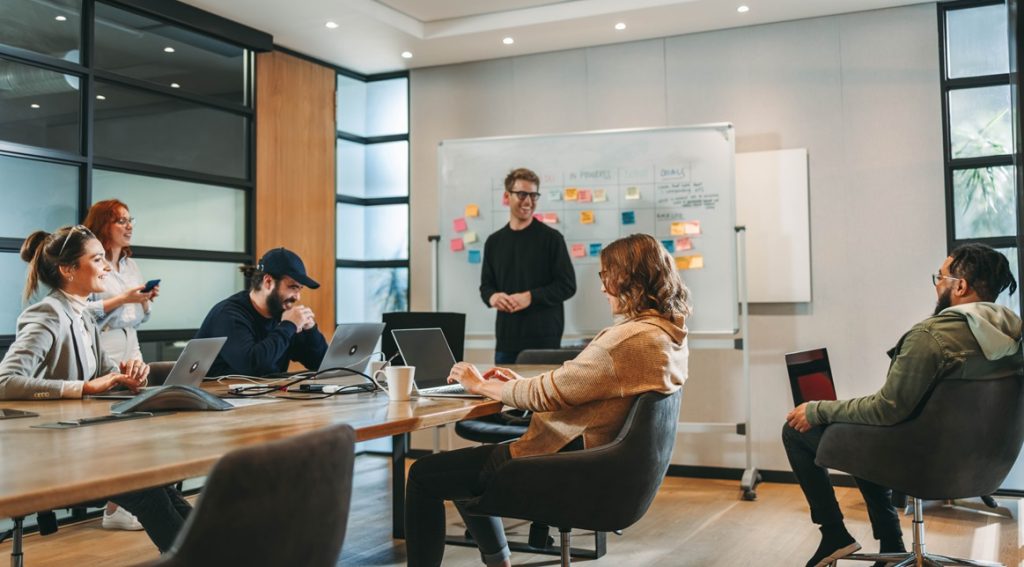
Collaboration is at the heart of every successful business. Whether a team is planning a project, delivering staff training, meeting with clients, or coming together for a strategy day, the environment they work in can have a major impact on the outcome. A productive meeting is shaped not only by the people in the room, but also by the space around them.
The layout, lighting, furniture, technology, atmosphere and facilities of a meeting or training venue can all influence how people communicate and engage. A well-designed space helps teams feel comfortable, focused, and ready to contribute, while a poorly designed environment can create distractions, reduce engagement and limit creativity.
Designing Spaces That Bring Teams Together
For businesses choosing a professional meeting room, training venue or conference space, design should never be an afterthought. The right environment can encourage better conversations, support clearer thinking, and help teams work together more effectively. This is especially important for companies bringing people together from areas such as Chorley, Preston, Bolton, and the wider Lancashire region.
Thoughtfully designed spaces combine practicality with comfort and flexibility, creating an environment where people can connect, communicate and collaborate effectively. Verat Space, based in Chorley, provides modern meeting, training, conference and office facilities designed to support businesses that need a professional and inspiring place to connect. By creating spaces that are practical, comfortable, and flexible, Verat Space demonstrates how thoughtful design can play a key role in enhancing team collaboration.
Why the Right Space Matters for Team Collaboration
When people come together to collaborate, they need more than four walls and a table. They need an environment that supports communication, focus and participation. The design of a space can influence how confident people feel when sharing ideas, how easily they can listen to others and how engaged they remain throughout the session.
A cramped, cluttered, or uncomfortable room can make meetings feel tiring before they have even begun. If attendees are struggling to see a screen, hear a speaker or settle into the space, their attention is divided. Instead of focusing on the discussion, they become aware of the room’s limitations.
A well-designed meeting room removes those barriers. It gives people enough space to think, speak and interact. It also creates a setting where the purpose of the meeting feels important. This is particularly valuable for leadership meetings, training days, workshops, client presentations, and team development sessions.
The right space can also help teams step away from the distractions of their usual workplace. Holding an important meeting away from the office can create a fresh perspective, allowing people to focus on shared goals and innovative ideas without daily interruptions.
How Layout Shapes Communication
One of the most important aspects of space design is layout. The way a room is arranged can influence the tone of a meeting and how people interact. A boardroom layout is ideal for formal meetings, management discussions, and client presentations, creating a professional setting where participants can face one another and make decisions.
For training sessions, alternative setups may be more effective. Classroom-style seating helps delegates focus on a speaker or presentation, while cabaret-style seating encourages smaller group discussions and activities. For creative workshops, an open and flexible layout can support brainstorming and collaboration.
The best collaborative spaces are adaptable, allowing a session to move seamlessly from presentations to group discussions and planning exercises. When people can see and hear one another clearly, they are more likely to participate. An inclusive layout encourages team members to contribute, making collaboration more productive and engaging.
Designing Spaces That Encourage Creativity
Creativity often improves when people work in an environment that feels fresh, professional, and energising. While ideas can happen anywhere, the right setting can make creative thinking easier and encourage people to engage.
A dated, dark, or uncomfortable room can affect the mood of a session. In contrast, a clean, modern, and well-presented environment can lift energy and help people feel that their ideas are valued. Good lighting, comfortable furniture, practical layouts, and a sense of space can all support a more creative mindset.
This is particularly important for planning sessions, innovation workshops, marketing meetings, and team away days. Taking a team away from its usual workplace can also break routine and encourage fresh thinking.
For businesses in Chorley, Preston, Bolton and surrounding areas, a thoughtfully designed meeting space can create the right environment to think differently, share ideas, and develop new solutions.
The Importance of Technology in Modern Meeting Spaces
Collaboration today often relies on technology. Teams use screens, presentations, video calls, and digital tools to share information and involve people who may not be physically present. As hybrid working has become more common, reliable meeting room technology is increasingly essential.
When technology does not work smoothly, a meeting can quickly lose momentum. Time spent connecting laptops, adjusting sound, or solving display issues can affect concentration and confidence, particularly when clients or external delegates are attending.
A well-designed meeting or training space should provide technology that is reliable, easy to use and suited to modern business needs. Clear presentation screens, quality audio-visual equipment and strong connectivity help everyone see information, follow discussions, and participate without unnecessary interruptions.
This is particularly important for training and conference environments. When technology works seamlessly in the background, trainers can deliver content effectively, delegates stay engaged and meetings can remain focused and productive.
Comfort Helps People Stay Focused
Comfort is a practical part of collaboration. People cannot do their best thinking if they are uncomfortable. A meeting room might look impressive, but poor seating, harsh lighting or an unsuitable temperature can quickly affect concentration.
For short meetings, small discomforts may go unnoticed. However, during half-day or full-day sessions, they become much more important. Training days, workshops and conferences require people to stay focused for several hours, so the environment should support their energy and attention.
Comfortable seating, good lighting, clean surroundings, and enough personal space help participants stay engaged. The room should also allow people to listen, write, discuss, and move around easily. Convenient refreshments and breakout areas can further improve the experience.
A professional venue also reduces pressure on organisers. With practical details taken care of, businesses can focus on their meeting content. Verat Space provides modern rooms, hospitality options, on-site parking and a welcoming environment for meeting, training, and conference space in Chorley.
Breakout Areas Support Natural Conversation
Not all collaboration happens during the formal part of a meeting. Valuable conversations often take place during breaks, over coffee or in smaller groups. This makes breakout areas an important part of effective space design.
Breakout spaces allow people to continue discussions in a more relaxed setting. They are particularly useful during training sessions, workshops, conferences, and strategy days, giving teams space to complete group tasks, reflect on ideas or explore topics in greater detail.
Informal spaces also help people connect on a human level. A relaxed conversation can lead to a new idea, stronger working relationship, or better understanding of a shared challenge.
A good collaborative venue provides more than a main meeting room. It supports the full flow of the day, including arrival, breaks, lunch, networking, and group work. When these moments are considered, the experience becomes more productive.
Hospitality and Catering Create a Better Experience
Food and refreshments might not be the first thing you think about when choosing a meeting space, but they can make a real difference to the day. A decent coffee break gives people a chance to recharge, while a good lunch helps keep everyone going through longer sessions. It also makes guests feel welcome and well looked after.
Having catering available at the venue makes things easier for everyone. Attendees do not have to head elsewhere for food, and organisers do not have to arrange everything separately. It means less disruption and helps the day stay on track.
Hospitality can also help create the right atmosphere. It can make a good impression on clients, keep delegates comfortable during training, and show employees that their time and experience matter.
At Verat Space, catering and hospitality are part of the overall venue experience, making it easier for businesses to run meetings, conferences, and training days without the added hassle.
Why Location Matters for Meetings
Where you hold a meeting can make a bigger difference than you might think. If a venue is hard to find, has limited parking or involves a complicated journey, people can arrive stressed or late. That is not the best way to start a meeting.
A venue that is easy to get to makes things much simpler. For businesses bringing people together from across Lancashire and the Northwest, Chorley is a convenient location, with good links to Preston, Bolton, and nearby areas.
Parking is another thing worth considering. Having somewhere to park on site makes arriving easier, particularly when you have clients, trainers or a larger group of delegates coming to the venue.
A smooth arrival means people can get settled and ready to start without unnecessary hassle. The meeting experience starts before anyone enters the room, so things like location, parking, and accessibility all matter.
Matching the Space to the Purpose of the Meeting
Every meeting has a different purpose, and the space should reflect that. A venue that works well for a board meeting may not be ideal for a hands-on training session. A room suited to a small client presentation may not be appropriate for a larger conference or team workshop.
Before choosing a venue, businesses should consider what they want the session to achieve. If the aim is to make decisions, the space should support focus and privacy. If the aim is to train staff, the room should be comfortable, practical, and equipped for learning. If the aim is to generate ideas, the layout should encourage discussion and creativity.
Professional meeting venues offer flexibility, allowing businesses to choose the right setup for their needs. This makes it easier to deliver a successful event and ensures the space supports the agenda rather than working against it.
Ready to Plan Your Meeting?
The role of space design in enhancing team collaboration should not be underestimated. The environment people work in can influence how they communicate, share ideas, stay focused, and engage with one another. From flexible room layouts and reliable technology to comfortable surroundings, breakout areas and on-site facilities, every element can contribute to a more productive meeting or training experience.
At Verat Space, the focus is on creating professional, flexible environments that make it easier for teams to work together effectively. Well-designed meeting and training spaces provide the comfort, and functionality businesses need, while creating the right atmosphere for productive conversations, creative thinking, and meaningful collaboration.
For businesses in Chorley, Preston, Bolton and across Lancashire, Verat Space offers modern meeting, training, conference, and office facilities designed around the needs of today’s businesses. Whether you are planning a team workshop, client meeting, training day, strategy session or business event, the right environment can make all the difference. With a professional and adaptable space, teams can connect more effectively, stay engaged and get more from their time together.